Adverse reactions (ARs) in ≥10% of patients with BRCA-mutated mCRPC1

RUBRACA has demonstrated a well-established safety profile in BRCA-mutated mCRPC, supported by data from hundreds of patients across the TRITON2 and TRITON3 studies1
Adverse reactions (ARs) in ≥10% of patients with BRCA-mutated mCRPC1
*Includes multiple related terms.

Laboratory abnormalities in ≥25% of patients with BRCA-mutated mCRPC1
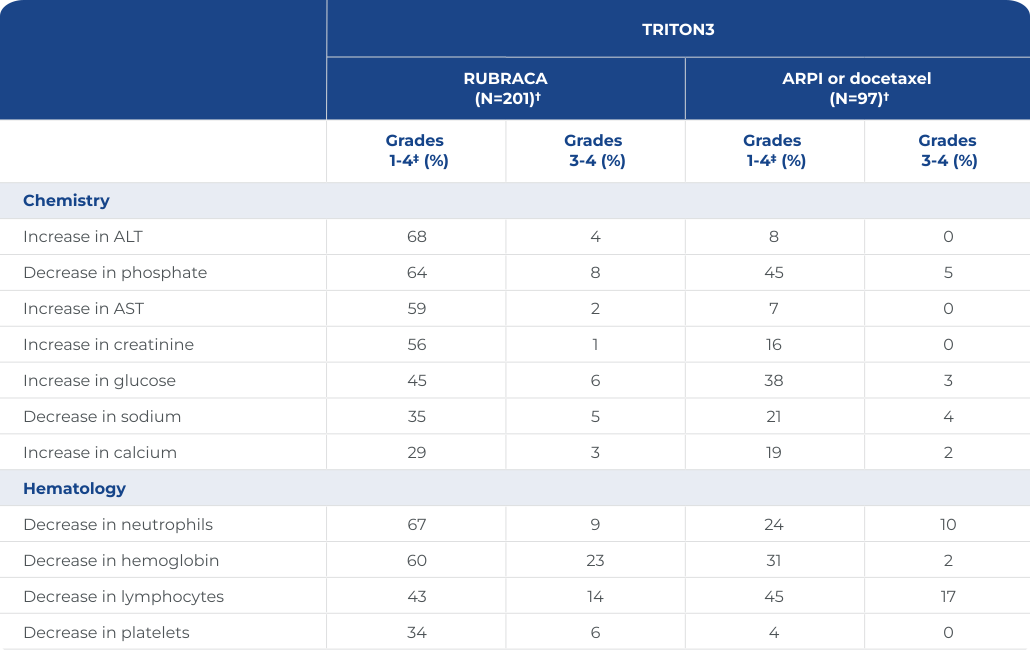
†Denominator for each laboratory parameter is based on the number of patients with a baseline and post-treatment laboratory value available for 192 to 201 patients in the RUBRACA arm and 94 to 97 patients in the ARPI or docetaxel arm.
‡NCI CTCAE version 5.0: decrease in phosphate is graded using NCI CTCAE version 4.03.
ALT, alanine aminotransferase; AST, aspartate transaminase; BRCA, BReast CAncer gene; CTCAE, Common Terminology Criteria for Adverse Events; mCRPC, metastatic castration-resistant prostate cancer; NCI, National Cancer Institute.
RUBRACA® (rucaparib) is indicated for the treatment of adult patients with a deleterious BRCA mutation (germline and/
or somatic)-associated metastatic castration-resistant prostate cancer (mCRPC) who have been treated with androgen receptor-directed therapy. Select patients for therapy based on an FDA-approved companion diagnostic for RUBRACA.
The duration of RUBRACA treatment prior to the diagnosis of MDS/AML ranged from < 2 months to approximately 72 months. The cases were typical of secondary MDS/
cancer therapy-related AML; in all cases, patients had received previous platinum-containing chemotherapy regimens and/
or other DNA damaging agents.
In TRITON3, MDS/AML occurred in 2 out of 201 patients (1%) with a BRCA mutation treated with RUBRACA. The duration of therapy with RUBRACA in patients who developed secondary MDS/cancer therapy-related AML varied from 1.4 to 2.3 years.
If MDS/AML is confirmed, discontinue RUBRACA.
Most common adverse reactions of patients with BRCA-mutated mCRPC treated with RUBRACA in TRITON3 (≥10%, Grade 1-4) were fatigue/asthenia (61%), musculoskeletal pain (53%), nausea (51%), decreased appetite (34%), diarrhea (31%), constipation (31%), vomiting (25%), dyspnea (19%), dysgeusia (18%), edema (18%), abdominal pain (17%), dizziness (16%), weight decreased (16%), rash (13%), headache (12%), peripheral neuropathy (12%), photosensitivity reaction (12%), and urinary tract infection (10%).
Most common adverse reactions of patients with BRCA-mutated mCRPC treated with RUBRACA in TRITON2 (≥ 20%; Grade 1-4) were fatigue/asthenia (62%), nausea (52%), decreased appetite (28%), rash (27%), constipation (27%), vomiting (22%), and diarrhea (20%).
Most common laboratory abnormalities of patients with BRCA-mutated mCRPC treated with RUBRACA in TRITON2 (≥ 35%; Grade 1-4) were increased ALT (69%), decreased leukocytes (69%), decreased phosphate (68%), decreased absolute neutrophil count (62%), decreased hemoglobin (59%), increased alkaline phosphatase (44%), increased creatinine (43%), decreased lymphocytes (42%), increased triglycerides (42%), decreased platelets (40%), and decreased sodium (38%).
If concomitant administration with warfarin (a CYP2C9 substrate) cannot be avoided, consider increasing the frequency of international normalized ratio (INR) monitoring.
For medical information inquiries within the U.S., contact pharma& at medinfo.us@pharmaand.com.
You may report adverse events to the FDA at 1-800-FDA-1088 or www.fda.gov/
medwatch.
Alternatively, to report an adverse event or reaction, contact pharma& at pv@pharmaand.com.
To report a product complaint, contact pharma& at complaints@pharmaand.com.


*Physician’s choice included docetaxel or a second-generation ARPI (abiraterone or enzalutamide).
ARPI, androgen receptor pathway inhibitor; BRCA, BReast CAncer gene; mCRPC, metastatic castration-resistant prostate cancer; PARPi, poly (adenosine diphosphate-ribose) polymerase inhibitor; rPFS, radiographic progression-free survival.
REFERENCES: 1. RUBRACA (rucaparib). Prescribing Information. pharmaand GmbH. 2025. 2. Fizazi K, Piulats JM, Reaume MN, et al. Rucaparib or physician’s choice in metastatic prostate cancer. N Engl J Med. 2023;388(8):719-732.